Understanding Nutrient Absorption
The Absorption Process
Bioavailability is the proportion of an ingested nutrient that is absorbed and becomes available for biological utilisation. It's a critical concept in nutrition science because the amount of a nutrient in food does not necessarily reflect how much the body can actually use.
Nutrient absorption is a complex, multi-step process influenced by numerous factors before, during, and after food consumption.
Key Factors Affecting Absorption
Food Form
Whether a nutrient comes from animal or plant source significantly affects absorption. For example, haem iron from meat is 15-35% bioavailable, while non-haem iron from plants is 2-20% bioavailable.
Food Preparation
Cooking, fermentation, sprouting, and processing all affect nutrient availability. Cooking tomatoes increases lycopene bioavailability; boiling vegetables can reduce some water-soluble vitamins.
Stomach Acid
Adequate stomach acid is necessary for mineral absorption and protein digestion. Low stomach acid can impair the absorption of minerals like calcium, magnesium, and iron.
Digestive Enzymes
Pancreatic enzymes and intestinal brush border enzymes break down food and release nutrients for absorption. Insufficient enzyme production affects nutrient bioavailability.
Intestinal Health
A healthy intestinal lining with adequate surface area is essential for absorption. Inflammation, damage, or certain digestive conditions can impair nutrient uptake.
Transit Time
The time food spends in the digestive tract affects absorption. Too-rapid transit reduces absorption opportunity; slow transit allows greater nutrient uptake.
Accompanying Compounds
Some compounds enhance absorption (vitamin C with iron); others inhibit it (phytates, oxalates in plant foods; tannins in tea).
Individual Factors
Age, genetics, medications, health status, and hormonal state all influence nutrient absorption efficiency and individual variation is substantial.
Nutrient Absorption Enhancers
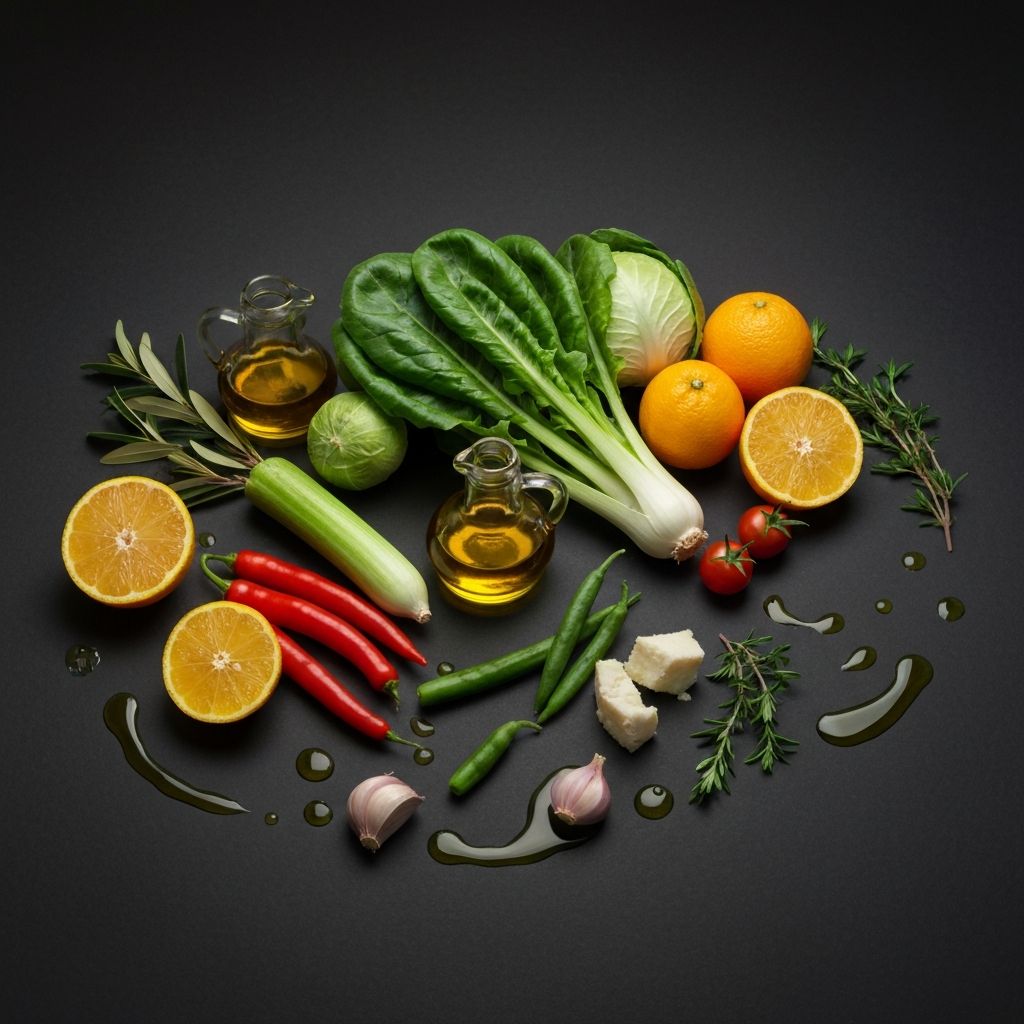
Vitamin C (ascorbic acid) significantly enhances non-haem iron absorption. Eating iron-rich plant foods (spinach, legumes) with vitamin C sources (citrus, peppers) improves bioavailability.
Dietary fat is essential for the absorption of fat-soluble vitamins (A, D, E, K). Consuming these vitamins with fat-containing foods improves absorption.
Vitamin D enhances calcium absorption in the intestines, making the D-calcium interaction particularly important for bone health.
Fermentation can increase nutrient bioavailability by reducing anti-nutrients and breaking down complex compounds.
Nutrient Absorption Inhibitors
Phytates are found in grains, legumes, and nuts. They bind to minerals like zinc, iron, and calcium, reducing absorption. Soaking, sprouting, and cooking can reduce phytate content.
Oxalates occur in spinach, beet greens, and other foods. They bind calcium, reducing availability. Cooking can reduce oxalate content.
Tannins in tea and coffee can inhibit iron absorption when consumed with iron-rich meals.
Excess calcium can inhibit iron absorption when consumed together, though this is clinically significant mainly in supplemental contexts.
Absorption Across the Lifespan
Nutrient absorption efficiency changes throughout life. Infants and young children have developing digestive systems with different absorption patterns than adults. Older adults may experience decreased stomach acid and enzyme production, affecting mineral absorption.
Pregnancy and lactation increase nutrient demands and can affect absorption patterns. Certain medications used by older adults can impair nutrient absorption.
Key Takeaways
Educational Information: Nutrient absorption (bioavailability) depends on numerous factors including food form, preparation, digestive function, accompanying compounds, and individual physiology. The nutrient content listed on food labels does not reflect how much the body can actually absorb and use.
This is informational content only. Individual absorption capacity varies significantly. For questions about your personal nutrient absorption or digestive health, consult qualified healthcare professionals.